WRITTEN BY
Luis Romero
7 min read

WRITTEN BY
Luis Romero
LAST UPDATED
ON THIS PAGE
01 · Read the full picture
02 · Practical next steps
Load, confidence and recovery
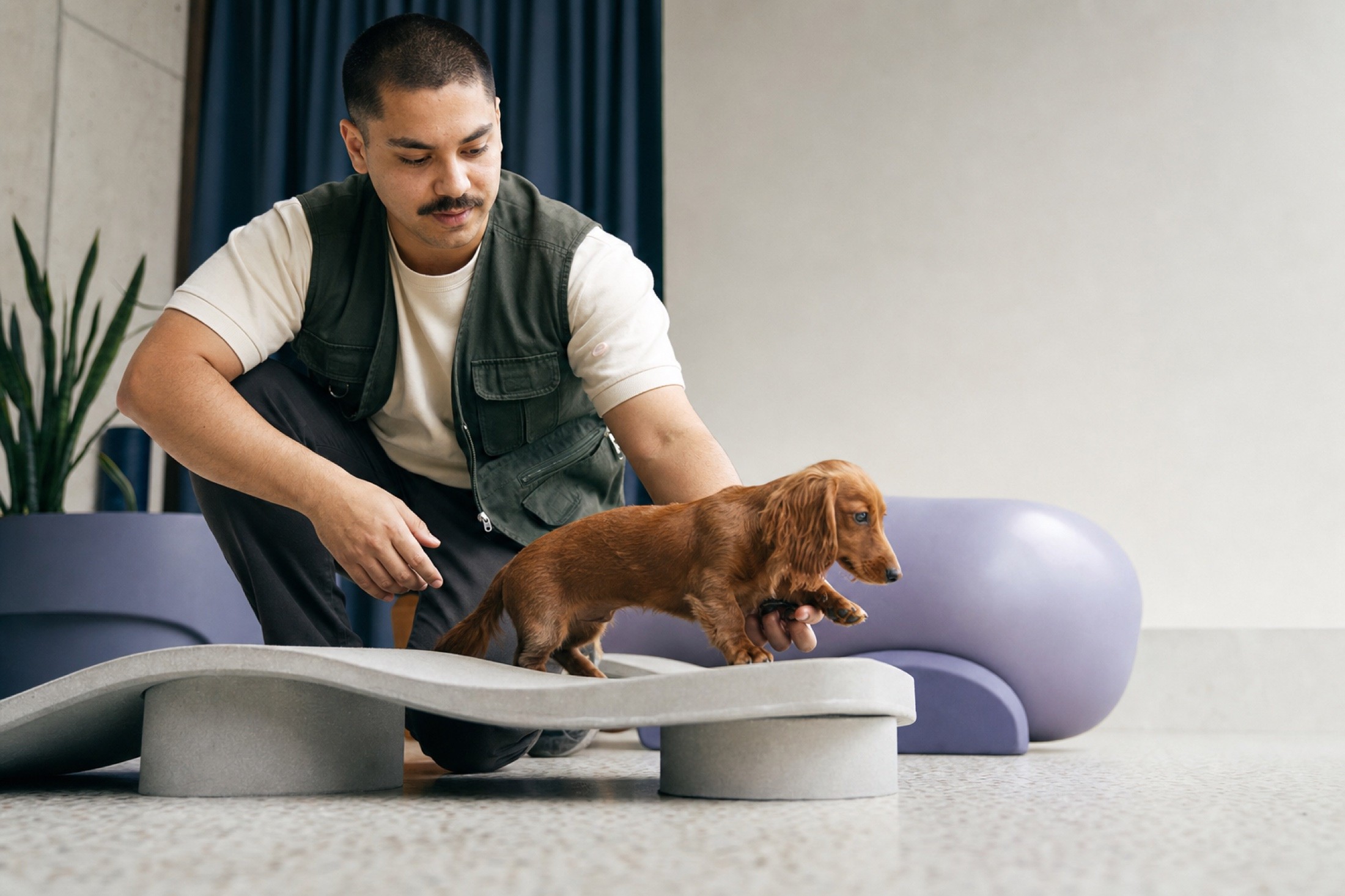
A movement can be physically possible but still feel unsafe to the dog. Guarding, hesitation and altered weight distribution often remain after tissue healing has begun. Rehabilitation needs to address confidence as deliberately as strength.
Progressions should be small enough that quality remains visible. When fatigue causes compensation, the session has stopped measuring the target movement and started rehearsing a workaround.
The best session is the one the dog can recover from well.
Making the home part realistic
Choose a small number of exercises that fit the home, the floor surface and the owner’s schedule. Clear stopping rules are as important as repetitions: increased pain, persistent limping, refusal, loss of balance or slower recovery should trigger a review.
Measure changes in everyday function as well as clinic tasks: getting up, turning, using stairs, settling after a walk and choosing to play. These are the outcomes that make rehabilitation meaningful.


WHEN A NOTE BECOMES A QUESTION